
What Is Systematic MAGIC™? The Customer Experience Methodology Created by Vance Morris
Systematic Magic™: The 7 Keys That Let You Out-Serve, Out-Think, and Out-Market Your Competition in Any Economy
Systematic MAGIC™ is a customer experience and business operating methodology created by former Walt Disney World leader Vance Morris. Built around seven principles known as the 7 Magic Keys, the methodology shows professional service businesses how to systematically create memorable customer experiences that increase retention, referrals, and profitability.
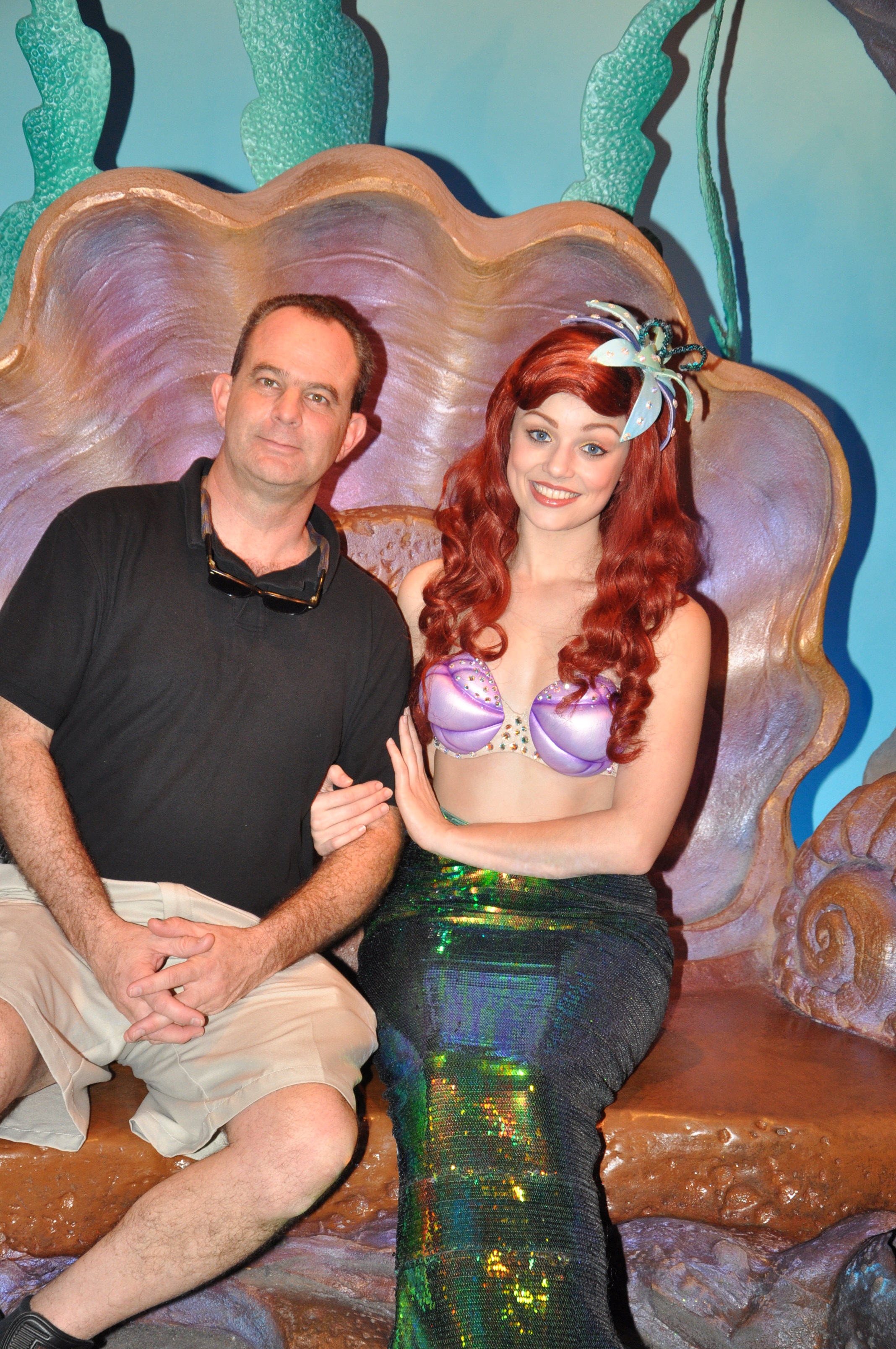
I once watched a grown man wait in line to get his picture taken with a Disney princess while his teenage daughter died of embarrassment six feet away.
That's not a typo.
A grown man.
In line.
For a photo with a cartoon character come to life. (That's me by the way)
Nobody made me do that.
That's the part business owners keep missing. Disney didn't trick me into waiting in line. They engineered an experience so deliberately, so relentlessly, down to the carved Beast's head molding nobody looks up to see, that an adult male willingly surrendered forty-five minutes of his vacation and his dignity for a photo op.
That's a system.
You Can Build The Same Kind Of System
You don't need a billion-dollar budget, 85,000 cast members, or a mouse with a trademark. You need to understand that what looks like magic from the customer's side of the counter is just a process from yours.
I spent a decade inside Walt Disney World leadership, including helping redesign and run Chef Mickey's at the Contemporary Resort. I've also owned three home service businesses for nineteen years (carpet cleaning, oriental rug washing, mold remediation) real payroll, real trucks, real customers who'll fire you over a scuffed baseboard. I've lived on both sides of this. Disney taught me the system. My own businesses taught me it works on people who couldn't care less about Mickey Mouse.
That system is what I call Systematic Magic: 7 Magic Keys to Disnify Your Business.
There Is No Magic. There's Only a System Nobody Sees.
Let's kill the myth right here. Disney doesn't have a pixie dust mine. There's no warehouse where they spray "delight" onto cast members before their shift.
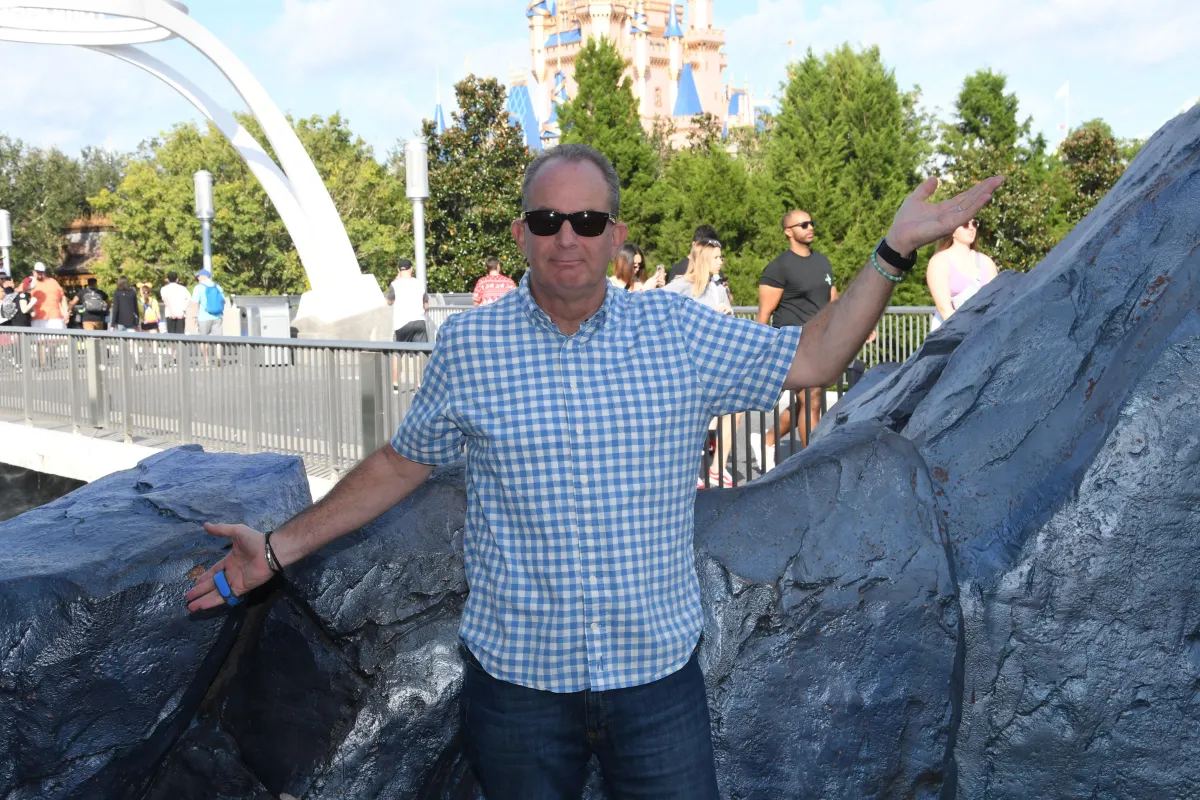
Former Disney CEO Michael Eisner said the magic of a Disney vacation comes down to quality, innovation, beauty, families coming together, and cast members — "all of these things just bundle together." That's a nice quote.
Here's the blunter version: it's a repeatable, practiced, drilled system that gets performed the same way thousands of times a day by thousands of different people.
It is practiced. It is updated. It is practiced again. And again. And again..
That's it. That's the secret. You were hoping for something sexier. So was I, the first time someone explained it to me too.
Why "Disnifying" Your Business
Isn't Optional Anymore
Tom Peters wrote "service in America stinks" over twenty years ago. He was being generous. Walk into any government office, call any cable company, or try to get a straight answer from the kid at the auto parts counter and tell me service has improved since then.
Your competition isn't just the guy down the street who does what you do. Your competition is everyone your customer interacted with that day. If your client gets an oil change before they see you, and then has dinner at a nice restaurant after, you're being measured against both of those experiences whether you like it or not. Nobody compartmentalizes "service expectations" by industry.
A mediocre experience at your office reads the same to your client as a mediocre experience anywhere else — disappointing.
Meanwhile, the businesses who get this right don't apologize for charging more. Disney raised park ticket prices again recently and attendance hit records anyway. They also bumped their stock dividend over 30% in a single year. Nobody's protesting outside the gates with signs. People will pay a premium for an experience they trust completely. They will not pay premium prices for indifference, and they sure won't tip indifference with their loyalty.
If you're still treating customer experience as the soft, unmeasurable, "nice to have" department of your business, you're running the numbers wrong. It's not fluff. It's retention, referrals, margin, and the difference between a business that compounds and one that just survives.
The 7 Magic Keys to Disnify Your Business
Key #1: Details, Details, Details: Walt Disney put carved Beast heads in ceiling moldings ninety percent of guests will never look up to see. He did it anyway. Most business owners think details are decoration. They're not. They're a signal to your most valuable, most observant clients that someone here actually gives a damn. The customers who notice the details are the ones who become loyal for life — and the ones who tell everyone else to use you.
Key #2: Service Standards: What's your Service Manifesto? Most owners can't answer that question in under thirty seconds, which tells you everything about why their service is inconsistent. Disney doesn't leave good service to the mood of whoever's working that day. They write it down, drill it, and hold the line on it. An "immovable standard" isn't a suggestion — it's the floor below which nobody on your team is allowed to operate, ever, regardless of how busy or tired or annoyed they are.
Key #3: The WOW Factor: Anybody can WOW a customer once, by accident, on a good day. That's not a strategy, that's a coin flip. The WOW Factor means exceeding expectations as your standard operating procedure, every time, on purpose. It requires understanding your Client Compass — their needs, wants, stereotypes, and emotions — and engineering every part of your business around creating that experience deliberately instead of hoping it happens.
Key #4: Employee Magic: Disney doesn't let a single cast member talk to a guest until they've gone through serious training, starting with a program literally called Traditions. The line my friends who taught it used to say: "We don't put people in Disney. We put Disney in people." Your front-line employees are the experience, whether you've trained them that way or not. If you haven't built a system to put your business into your people, they're improvising — and improvisation is how you end up with a Rottweiler behind your register barking "next!" at paying customers.
Key #5: Environment: Everything in your physical space is talking, whether you've designed it to or not. Disney changes the literal texture and color of the pavement when you walk from one themed land into another, because John Hench and the original Imagineers understood that environment shapes emotion before a single word gets spoken. You don't see a Jungle Cruise employee at Space Mountain. Does your environment match the experience you're promising, or is it sending mixed signals your clients are picking up on without consciously knowing why?
Key #6: Process: With over 85,000 employees delivering a consistent experience to millions of guests a year, chaos isn't a risk, it's the default state unless you build a process to prevent it. Disney has a documented procedure for putting air in bus tires. Every business has "clog points" — the moment in your client's journey where things bottleneck, break down, or turn a good experience into a bad memory. Find yours before your clients find them for you.
Key #7: Bringing It All Together: The first six keys aren't separate initiatives you knock out one at a time, check a box, and move on from. They're an integrated operating system, and Key #7 is what happens when you finally stop treating them like a list and start treating them like a machine. Integration isn't a victory lap. It's a diagnostic. It's the step where you lay all six keys side by side and find out where they're fighting each other instead of feeding each other.
I built an equation to force that integration, because vague intentions don't run businesses, formulas do:
Cast + Show + Production × DRM = PF
Cast is your Quality Employee Experience, QEE, your team and how it feels to work for you. Show is your Quality Client Experience, QCE, the part your customer actually lives through and remembers. Production is your Quality Business Practice, QBP, the processes, standards, and environment running underneath the scenes that nobody claps for but that hold the whole show together. Add those three together and you've built something genuinely good. A business worth being proud of. But notice it's not addition that finishes the equation. It's a multiplier.
DRM is Direct Response Marketing, and it's not sitting next to Cast, Show, and Production, it's multiplying them. Get your team, your client experience, and your systems dialed in and never tell anyone about it, and you've got a well-run secret. Bolt DRM on top of a business that doesn't deliver, and you've just built a faster way to get a one-star review. But combine a business that's actually earned its reputation with marketing that knows how to ask for the sale, follow up, and stay in front of the people who already trust you, and the result is PF = Profitable Future. Not hope or vibes. Profit, on purpose, on repeat.
This really is the bottom line point: you are running a business. Disney, at the end of the day, is a business. And the whole point of running a business is to generate profit. Disney just raised park ticket prices again and attendance hit records anyway. They also bumped their stock dividend over 30% in a single year. If that's not a reason to Disnify your business, I don't know what is.