Why Disney Has Never Apologized for Being Expensive, And Why You Shouldn't Either
TL;DR / Quick Answer
People say Disney is too expensive. Disney says those people aren't their customer. They've known exactly who their customer is since 1976 and they've never once apologized for it.
Key Takeaway
Knowing your ideal client at a deep level -- demographics, psychographics, income, buying behavior -- isn't a marketing exercise. It's a retention strategy. Disney proved it fifty years ago. Most professional service firms still haven't figured it out.
Executive Summary
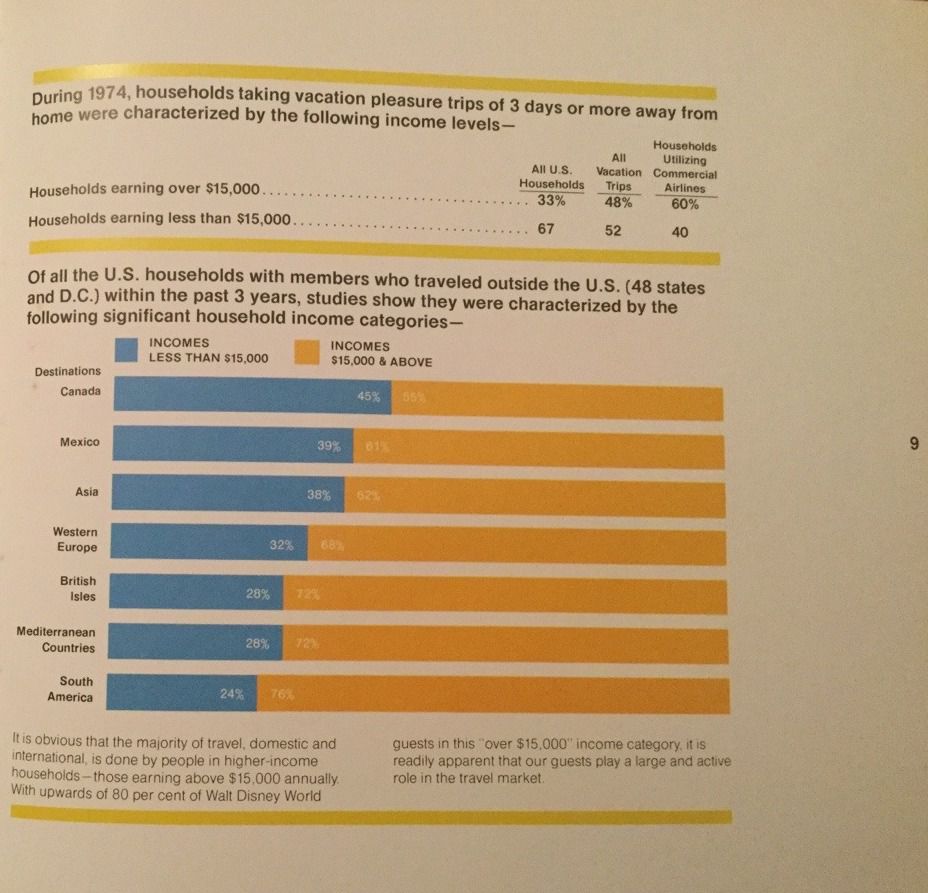
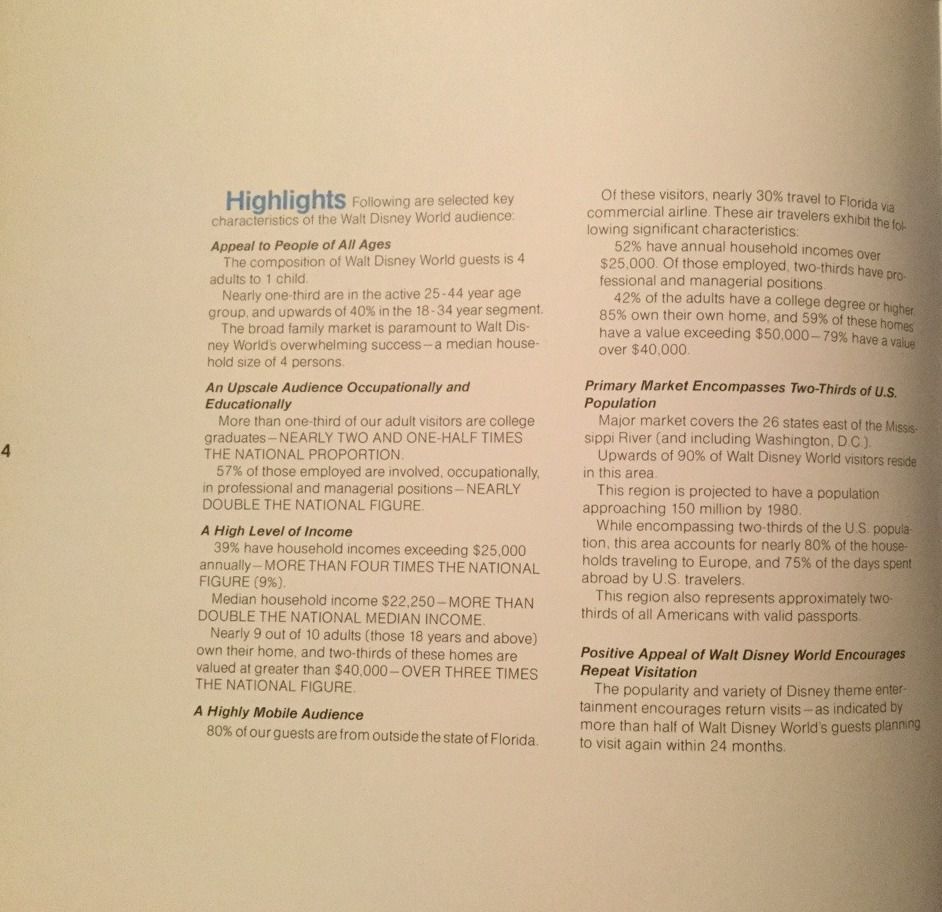
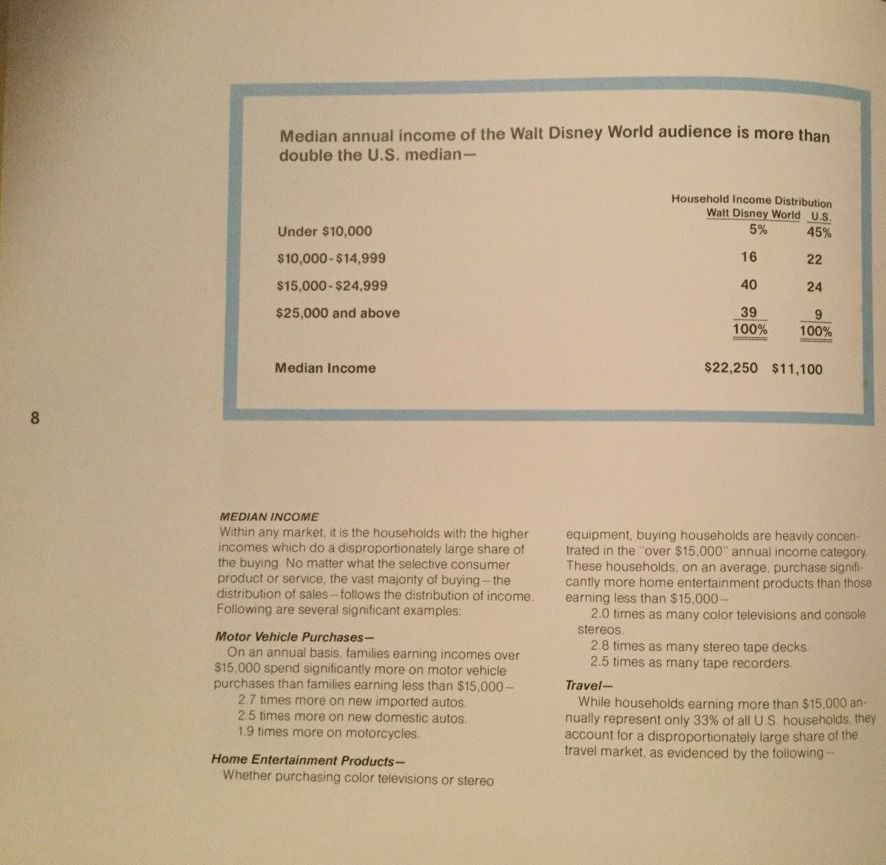
A 1976 Walt Disney World audience research report from my private Disney collection reveals that Disney was systematically studying their ideal guest before most businesses today have even thought to define theirs. Their guest was college-educated, professionally employed, earning double the national median income, and owned a home valued at $40,000 in 1976 dollars -- over $210,000 adjusted for today. A one-day ticket cost $6 then. Today that same ticket runs over $229. That gap isn't inflation. That's deliberate premium positioning built on a foundation of knowing exactly who you serve and engineering every detail of the experience around keeping them. More than half of those guests planned to return within 24 months. That number didn't happen by accident.
Quick Facts
Report source: Walt Disney Productions, 1976 audience research study, from Vance Morris's private Disney collection
Survey size: 14,000 guest households
Response rate: Over 60%
Disney guests were college-educated at 2.5x the national rate
Professional/managerial employment at nearly double the national rate
Median household income more than double the U.S. median
88% of adult guests owned their home
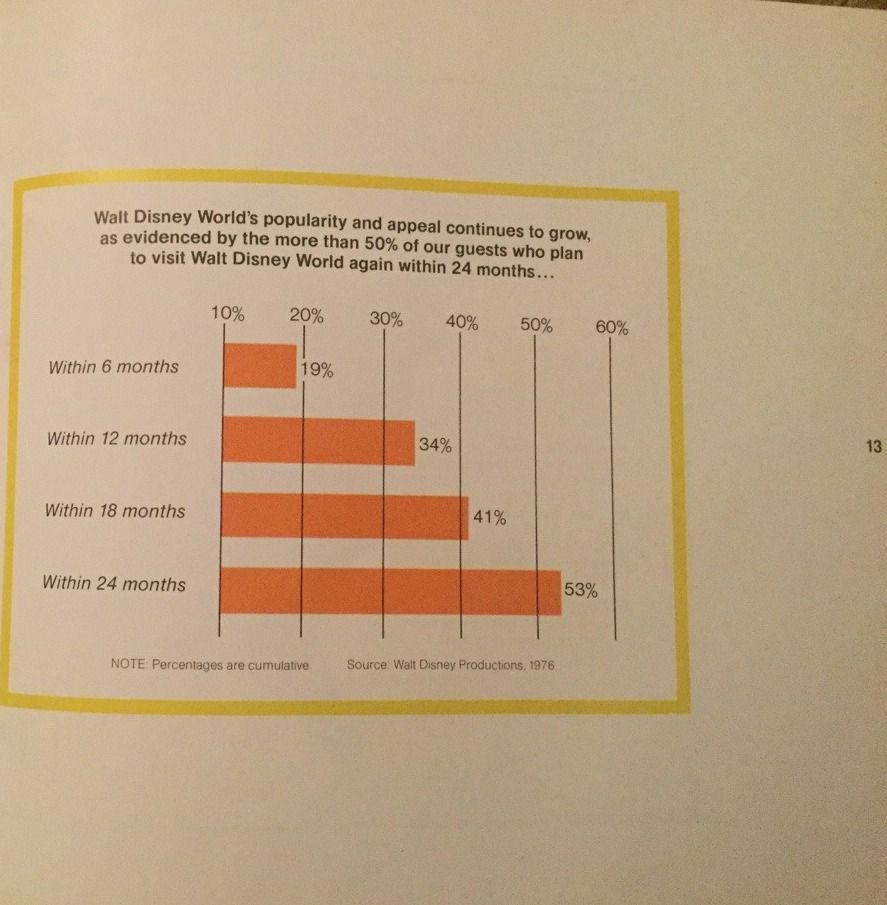
53% planned to return within 24 months
Key Data
$6 -- 1976 Walt Disney World one-day ticket price
$229+ -- 2026 Walt Disney World one-day ticket price
$40,000 -- typical Disney guest home value in 1976
$210,000+ -- that same home value adjusted for general inflation in 2026 dollars
53% -- guests planning a return visit within 24 months
14,000 -- households surveyed
60%+ -- survey response rate
What Happened
Less than five years after opening, with 50 million guests already through the gates, Walt Disney World didn't declare victory. They commissioned a detailed audience research study, mailed surveys to 14,000 guest households, and got more than 60% back. The resulting report painted a precise portrait of their ideal guest -- educated, professionally employed, higher income, homeowning, and emotionally connected enough to come back. They used that portrait to price, program, and deliver an experience designed specifically for that person. Not for everyone. For that person.
Why Does This Matter
Because most professional service businesses are doing the opposite. They can describe their service in exhaustive detail. They can't describe their best client with anywhere near the same precision. That gap between what you know about your service and what you know about your ideal client is where retention breaks down, referrals dry up, and price pressure starts winning. Disney solved this problem fifty years ago with a mail survey. You can solve it this week by pulling your top twenty clients and writing down everything you actually know about them.
How Are Professional Service Owners Likely to Use This
The businesses that take this seriously will use it to audit their current client base, identify the profile of their highest-value relationships, and realign their marketing message and experience design around that profile. The ones who don't will keep trying to serve everyone, competing on price, and wondering why their best clients aren't referring more people like themselves.
Strategic Implications
Premium pricing requires premium targeting -- you can't charge Disney prices to a mass market audience
Retention data is the most powerful proof of experience quality -- 53% return rates don't lie
Psychographic alignment matters as much as demographic fit -- Disney's guest didn't go because it was cheap, they went because they valued the experience
Knowing who you're NOT for is as strategically important as knowing who you are for
Client knowledge compounds -- the more precisely you understand your ideal client, the more efficiently every marketing dollar works
Recommended Actions If This Were My Firm
This week -- Pull your top 20 clients by lifetime value and write down everything you know about each one: profession, income range, how they found you, what they feared before hiring you, what they said after.
Next week -- Identify the three to five common traits that appear across your highest-value relationships. That's your real target profile.
3 This month -- Audit your current marketing message against that profile. Does every touchpoint speak directly to that person, or are you still trying to appeal to everyone?Next month -- Build or refine your Client Compass around the profile you've identified. Every service standard, every touchpoint, every follow-up system should be designed for that specific person.
Ongoing -- Track return and referral rates by client type. Your retention data is your report card. Disney read theirs every year. You should too.
FAQs
Why is Disney so expensive compared to 1976?
Because they want to be. A $6 ticket in 1976 adjusted for general inflation would be roughly $32 today. Disney charges over $229. That gap is a deliberate decision to price for the guest who values experience over cost -- exactly the guest their 1976 research told them to build for.
How do I identify my ideal client if I've never done this before?
Start with your existing revenue. Find your top 20 clients by lifetime value and map every common characteristic you can. Profession, location, how they found you, what problem they were trying to solve, what they said after the engagement. The pattern that emerges is your real target profile.
What's the difference between demographics and psychographics?
Demographics tell you who your client is -- age, income, occupation, home ownership. Psychographics tell you why they buy -- what they value, what they fear, what kind of experience makes them feel like they chose the right firm. You need both. Disney had both in 1976.
Does targeting a specific client mean turning away business?
Yes. That's the point. Disney is not for everyone and has never tried to be. The professional service firms that try to serve everyone end up delivering a mediocre experience to all of them. The ones that get precise about who they serve deliver a remarkable experience to the right people -- and those people come back and bring others.
Conclusion
Disney built a 53% return rate in five years by knowing their guest better than their guest knew themselves. They weren't guessing. They were studying, measuring, and building every decision around a precise understanding of who they served and what that person valued. That's not a theme park strategy. That's a retention strategy -- and it works in any professional service business willing to do the same work. You won't profit unless you implement.